Take Care of Your Lawn with the Best Products from Lake Hickory Bait
Wiki Article
Red Wigglers: The Unsung Heroes of Organic Waste Recycling
Red wigglers, or Eisenia fetida, serve as vital agents in the natural waste reusing process, changing thrown out materials into important vermicompost. As the world progressively looks for options to battle waste build-up and boost agricultural efficiency, recognizing the function of these worms comes to be crucial.What Are Red Wigglers?
The impressive resilience of red wigglers, medically called Eisenia fetida, underscores their critical role in natural waste recycling. These small, reddish-brown earthworms are generally found in disintegrating organic issue, such as compost heap and manure stacks. Lake Hickory Bait. Unlike various other earthworm types, red wigglers grow in nutrient-rich atmospheres and are very efficient at damaging down organic products, making them important for vermicomposting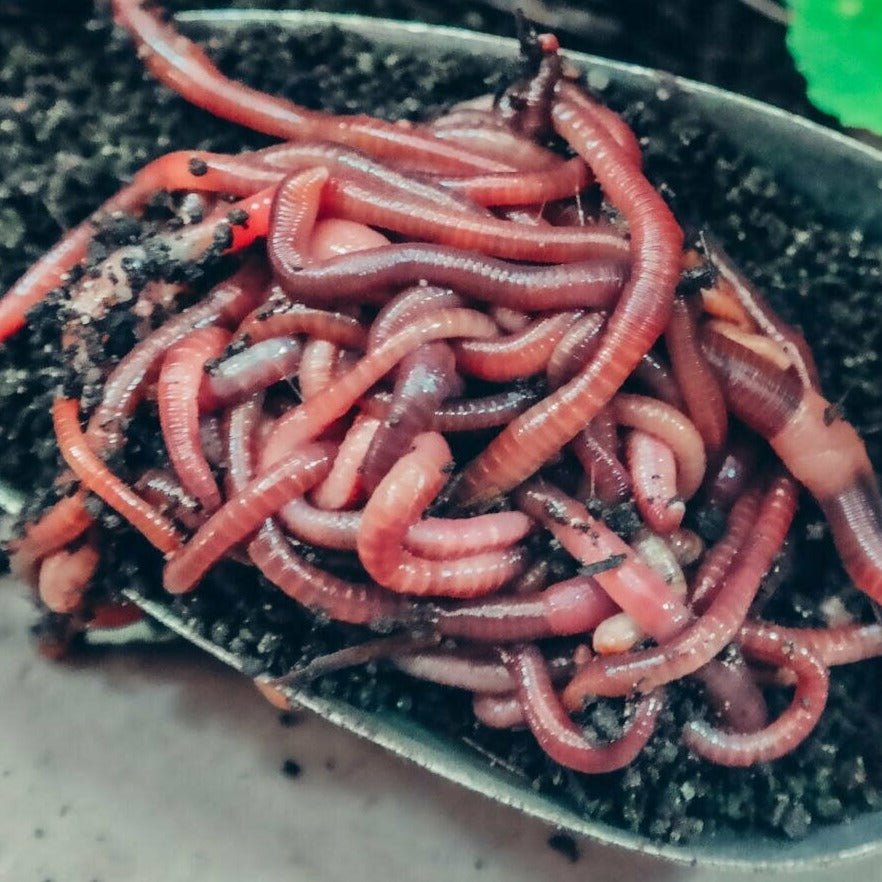
(Lake Rhodhiss Bait)In addition to their function in waste decrease, red wigglers add to dirt health by improving soil structure and aeration with their delving tasks (Lake Hickory Bait). Their existence in composting systems not only improves disintegration rates yet likewise promotes a sustainable method to waste management, illustrating their value in eco-friendly conservation initiatives
Benefits of Composting With Worms
Composting with worms, particularly red wigglers, provides numerous benefits that enhance both waste monitoring and dirt wellness. First, these worms efficiently damage down organic waste, transforming it right into nutrient-rich vermicompost that improves dirt. This procedure increases disintegration, permitting a much faster recycling of kitchen scraps and other natural materials compared to typical composting methods.In addition, the vermicompost created by red wigglers is bursting with beneficial microbes, which help enhance soil structure, oygenation, and moisture retention. This boosts the total health and wellness of plants, promoting strenuous growth and raised returns in gardens and agricultural setups. Moreover, using worms in composting minimizes the manufacturing of greenhouse gases, such as methane, contributing to a more lasting waste monitoring system.
How to Beginning Vermicomposting
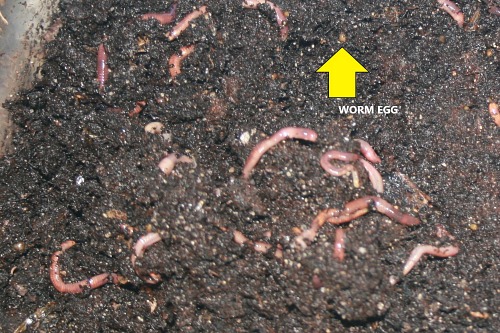
Establishing a vermicomposting system is an uncomplicated procedure that can yield substantial benefits for both waste administration and dirt enrichment. To begin, pick an ideal container, such as a plastic bin or wooden box, with adequate ventilation holes to guarantee proper airflow. The dimensions ought to ideally be around 2 feet by 3 feet, allowing sufficient room for the worms to grow.Next, prepare bed linens material, which can consist of shredded newspaper, cardboard, or coconut coir. This bedding needs to be dampened to develop an ideal habitat for the worms. Once the bed linen remains in place, present red wigglers (Eisenia fetida) into the bin, typically around one extra pound of worms for each square foot of area.
Following the placement of worms, add natural waste, such as vegetables and fruit scraps, coffee premises, and crushed eggshells. Avoid adding dairy, meat, or oils, as these can develop smells and draw in bugs. Lastly, position the bin in a shaded, temperature-controlled location to maintain ideal problems for worm task. With these actions, you will effectively launch a vermicomposting system that adds to lasting waste administration and enriches your dirt.
Keeping a Healthy Worm Container
(Red Wiggler Express)Keeping a worm container prospering requires normal interest and like guarantee the health of the red wigglers and the performance of the composting procedure. Correct maintenance starts with monitoring the dampness levels; the container should perspire but not waterlogged. A great general rule is to preserve an uniformity similar to a wrung-out sponge.Delicately blending the bedding and food scraps every few weeks prevents compaction and makes certain that all worms have access to oxygen. Furthermore, it is crucial to feed the worms suitably.
If the container becomes too warm or chilly, the worms may come to be stressed. By diligently managing these factors, one can keep a robust and effective worm bin.
Effect On Lasting Living
The successful upkeep of a worm container not only profits the health and wellness of red wigglers yet likewise contributes significantly to lasting living practices. By recycling organic waste, such as cooking area check these guys out scraps and yard particles, red wigglers help draw away substantial quantities of material from land fills. This reduction in waste not only lowers greenhouse gas discharges however also decreases the ecological concern connected with waste management.Furthermore, the castings created by red wigglers function as a nutrient-rich natural fertilizer, improving dirt health and wellness and advertising plant growth. This all-natural alternative to chemical plant foods supports lasting agriculture and horticulture methods, decreasing dependence on synthetic inputs that can damage ecological communities. Furthermore, worm composting cultivates awareness of waste administration, encouraging individuals and areas to embrace even more sustainable behaviors.
Final Thought
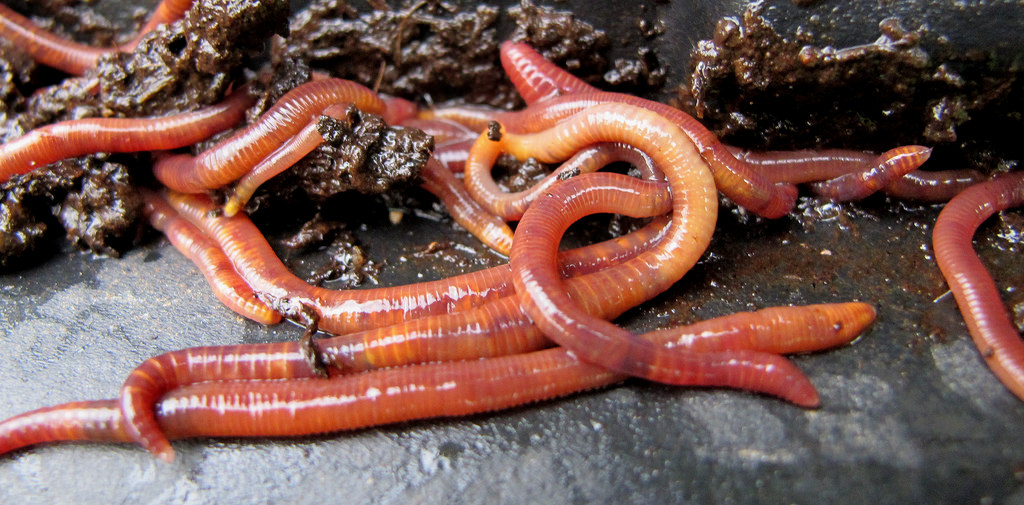
In recap, red wigglers function as vital contributors to organic waste reusing with their reliable disintegration of natural products. Their capacity to create nutrient-rich vermicompost improves soil health and wellness and supports sustainable farming methods. By integrating vermicomposting right into waste management techniques, individuals and communities can significantly decrease waste while promoting environmental sustainability. The duty of Eisenia fetida in cultivating healthy and balanced communities emphasizes the value of these organisms in accomplishing lasting living and boosting soil fertility.Report this wiki page